
Buying locks in quantity: buildings, fleets and shared bike rooms

Buying locks in quantity: buildings, fleets and shared bike rooms
Bulk lock purchases come from three places: building managers fitting out a bike room, small delivery fleets, and families with several bikes. The considerations are different from a single purchase.
Keyed alike, or not
Keyed alike — every lock opens with the same key. Convenient for a fleet where any rider takes any bike. The risk is obvious: one lost key compromises everything.
Keyed differently — a lost key affects one bike. Harder to administer, and someone will end up with the wrong key.
Our usual advice: keyed alike for a supervised fleet where the bikes live in a controlled space, keyed differently for anything parked in public.
Combination sets
Multi-packs of resettable combination locks let you set every lock to the same code, which removes key administration entirely. Good for a building bike room where residents come and go, provided the code is changed when tenancies change.
Set a reminder to change it. A code that has not changed in three years is known to more people than you think.
Match the lock to the parking, not to the budget line
A bike room inside a locked building with camera coverage genuinely does not need street-grade locks on every bike. A rack on the sidewalk outside the same building does. Buying one specification for both wastes money in one place and provides false security in the other.
Two specifications, chosen deliberately, is usually the right answer.
What to standardise
- One model per location. Spare parts, brackets and keys all become manageable.
- Mounting brackets included, so locks live on bikes rather than in a box.
- Length. Measure the rack. A lock that will not reach around the rack tube and the frame is not used.
- A written register of which lock and key number went to which bike or resident.
Ground anchors for a bike room
A room full of bikes locked only to each other is one theft, not several. Anchors bolted into the concrete floor, or a properly fixed Sherlock-style rail, turn each bike into an individual problem for a thief. This is the single highest-value spend for a shared bike room, ahead of upgrading the locks themselves.
Spares
Order about 10% spare locks and keep spare keys in a labelled cabinet away from the bike room. Locks get lost, keys get taken away by departing residents, and a fleet short of locks is a fleet with unlocked bikes.
Insurance and documentation
For a building or a business, keep the invoice, the security rating documentation and the register together. If a claim ever happens, that folder is the difference between a paid claim and an argument.
Talk to the counter
Tell us the number of bikes, whether the space is supervised, and whether the same person always rides the same bike. That is enough for us to recommend a specification, and to tell you when the money is better spent on anchors than on locks.
Racks, and choosing a design that works
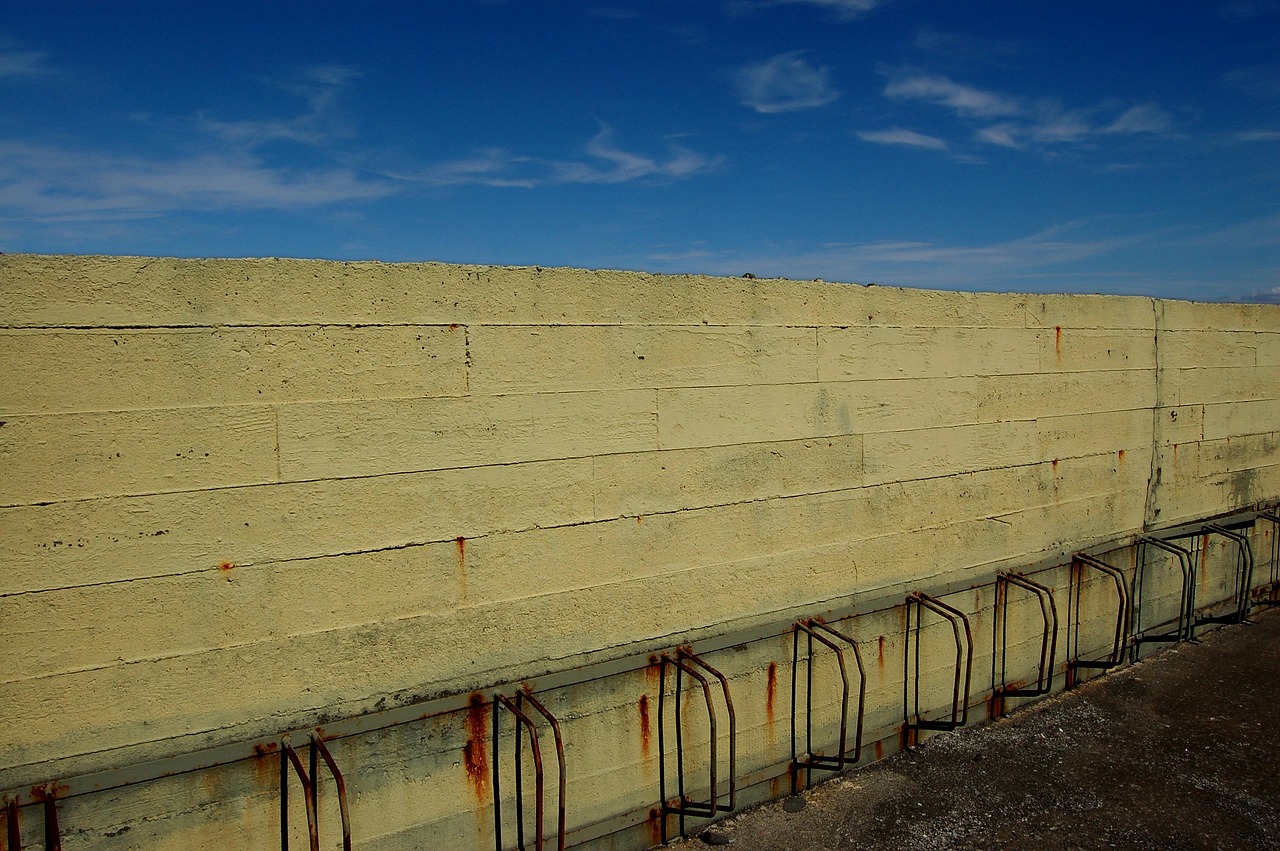
The rack matters as much as the lock. The two designs that support proper locking are the inverted-U (a simple hoop) and the A-frame; both let you lock the frame and a wheel to a solid tube.
Wheel-bender racks — the grid that takes a front wheel only — force riders to lock the wheel rather than the frame, which is why bikes disappear from them leaving a wheel behind. If you are specifying a bike room, specify hoops.
Spacing
Racks packed too closely together mean bikes cannot be locked properly, because there is no room to get a U-lock around the frame and the hoop. Around thirty inches between hoops is the usual guidance, and less than that produces a rack that looks full and works badly.
Lighting and sightlines
A bike room in a basement corner with a single dim bulb is where bikes get taken. Lighting, a camera and a door that latches properly do more than upgrading every lock in the room by one rating step.
Where budget is limited, spend it in that order: anchors, lighting, door, then locks.
Writing it down
For a building, a one-page policy pinned in the bike room — lock to the hoop, frame and wheel, register your bike with the office, report anything suspicious — costs nothing and changes behaviour. Most residents lock badly because nobody has ever shown them how.
We are happy to print a version of that for a building; ask at the counter on South Broad.
Budgeting for a bike room fit-out
For a building of thirty units, a realistic first pass is ten to fifteen hoops, a light fitting, a door closer that actually latches, and a small stock of visitor locks. The locks themselves are the smallest line in that list, which surprises most managers.
Anchors and lighting are one-off costs; locks are per-resident and usually the resident’s own responsibility. Making that split clear in the building’s policy avoids the annual argument about who pays for what.
Reviewing it once a year
Bike rooms fill with abandoned bikes. A yearly tagging exercise — a cable tie and a notice, with anything untouched after ninety days removed — recovers space, and it removes the derelict frames that make a room look neglected and therefore worth visiting.