
Lock maintenance: the ten minutes that stops a seized cylinder

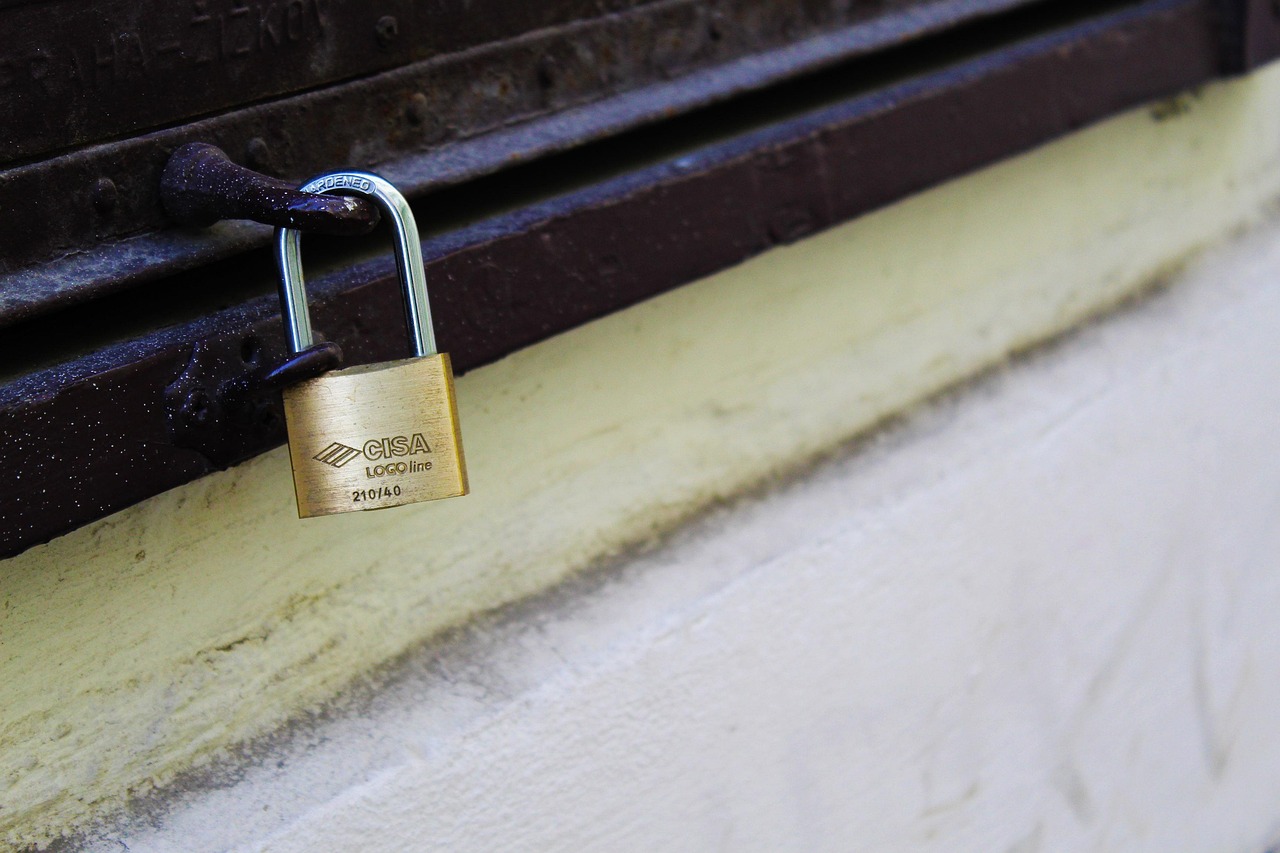
Lock maintenance: the ten minutes that stops a seized cylinder
Far more locks are replaced because they stopped opening than because they were defeated. Almost all of that is preventable.
What actually kills a lock
- Grit in the cylinder. Road dust and salt work in through the keyway and turn a smooth mechanism into a grinding one.
- Water and freezing. Water sits in the keyway and expands when it freezes.
- Oil. The most common self-inflicted damage: people apply general-purpose oil, which attracts and holds grit, turning it into grinding paste.
- Corrosion at the shackle. Where the shackle enters the body, salt collects and rust builds up until the shackle will not seat.
The twice-yearly routine
- Rinse the outside with clean water and dry it. Do not pressure wash — it drives water into the mechanism.
- Blow out the keyway with compressed air if you have it, or work the key in and out a dozen times to bring grit out.
- Apply a dry lubricant — PTFE or graphite — into the keyway. A short burst; more is not better.
- Work the key twenty times to distribute it.
- Wipe the shackle and put a light film of lubricant on the sliding surfaces.
- Check the sleeve on a chain lock for tears; a torn sleeve lets grit at the links and lets the links at your paint.
Autumn and spring. In Philadelphia the autumn one is the important one, before salt goes down.
Why not oil
Wet lubricants attract dust. In a cylinder, that dust becomes an abrasive that wears the pins. A dry PTFE or graphite lubricant leaves a slippery film with nothing for grit to stick to. This is the single most common maintenance mistake we see.
Combination locks
Same routine, applied to the dials rather than a keyway. Work each dial through a full rotation several times after lubricating. If a dial has become stiff, do not force it — stiff dials are usually grit, and forcing them rounds the internal detents.
Frozen locks
Warm the key with your hands or in a pocket and insert it gently. Repeat. Commercial de-icer for car locks works and is worth carrying in January.
Never: a flame on the lock body, boiling water (it refreezes deeper inside), or force on a key that will not turn.
Mounts and brackets
The frame bracket that carries the lock takes vibration all year. Check the bolts monthly. A lock that rattles loose on Broad Street is a lock you do not have when you arrive.
When to replace
- The key needs jiggling to turn — the cylinder is worn.
- Visible rust pitting on the shackle rather than surface film.
- The shackle no longer seats fully without force.
- A folding lock with any play at a rivet.
- Any lock that has been attacked, even unsuccessfully.
Keep the receipt
Insurers frequently ask for proof of the lock as well as the bike. Photograph the receipt and the lock’s rating label when you buy it, and keep both somewhere other than on the bike.
Bring it in
If a lock has become stiff, bring it to the counter before it seizes shut with the bike attached. Ten minutes of cleaning at the shop is a far better outcome than an angle grinder on your own bike.
Shackle wear and false economy
A shackle that has been dragged along the ground, scraped against a rack, or carried unprotected in a bag develops surface damage that becomes a corrosion site. The hardened outer layer is thin, and once it is through, the softer steel underneath corrodes quickly.
A neoprene sleeve or even a length of old inner tube over the shackle prevents most of it and protects the bike’s paint at the same time.
Chain sleeves
The fabric sleeve on a chain lock is there to protect your paint and to keep grit off the links. When it tears, both jobs stop. Sleeves can be replaced, and a cheap sleeve is far less expensive than a chipped frame or a seized chain.
Storage at home
A lock left on a garage floor over winter sits in whatever water runs under the door, and locks stored in a bag with wet kit stay wet. Hang it. That is the whole recommendation, and it doubles the life of most cylinders.
Replacing before it fails
A lock that is stiff, gritty or needs the key wiggled is telling you something. The failure mode is not a break-in; it is a lock that will not open, with your bike attached, in the rain.
Locks are far cheaper than the callout to cut one off, and considerably cheaper than the damage a grinder does to a frame while removing a seized lock. Replace at the first sign rather than the last.
Keeping a spare key where you can reach it
A seized lock and a lost key produce the same outcome, and the second is far more common. Keep one spare at home and one somewhere you can actually get to during the day — with a partner, at work, in a wallet.
A spare in a drawer at home is no help when you are standing next to the bike at nine in the evening on South Broad Street.