
Combination or key: which lock do you actually not lose?

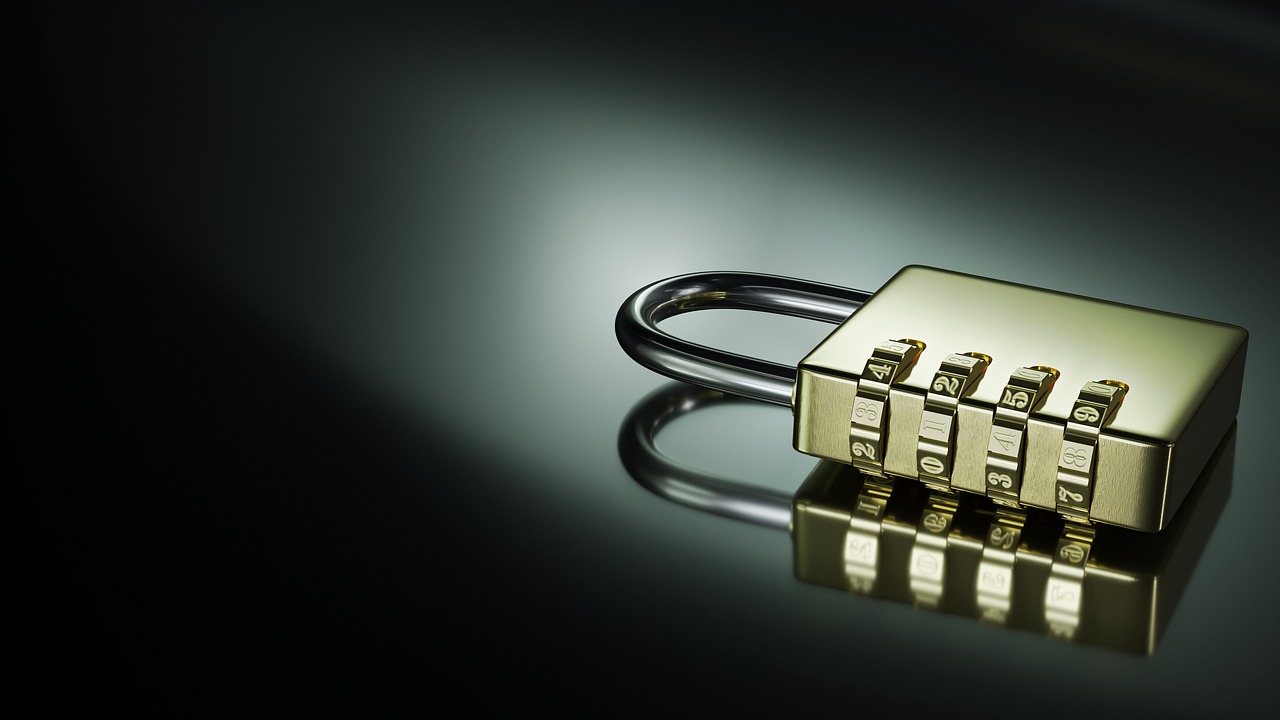
Combination or key: which lock do you actually not lose?
People choose between key and combination on security grounds. In practice, both are secure enough that the mechanism is rarely what fails — convenience is, and a lock left at home protects nothing.
Combination locks
For: nothing to lose, nothing to carry, shareable between family members or housemates, and resettable so you can change the code after lending the bike.
Against: slower to open, especially with cold hands or in the dark; the dials wear and can stiffen; a four-digit code is 10,000 combinations, which sounds like a lot and is not against a patient thief with the bike out of sight.
Best for: shared bikes, secondary locks, short stops, garages and sheds.
Key locks
For: faster to operate, generally a higher security mechanism at the same price, and disc-detainer cylinders in particular are genuinely hard to pick.
Against: keys get lost, and a key left at home means the bike stays where it is. Cylinders seize when they fill with grit and road salt.
Best for: your primary lock, daily commuting, anything overnight.
The advice most people need
Key lock as the primary, combination as the secondary. The key lock does the serious work on the frame; the combination secures a wheel or a helmet and can be operated by anyone else in the household.
If you choose combination, set it properly
- Not 0000, 1234, or the year.
- Not your address or apartment number, both of which are visible near the bike.
- Scramble the dials after locking. People walk away with the code still showing.
- Change it if you have lent the bike, or if you have opened it in front of somebody several times.
- Write it down somewhere at home. Not on the bike.
If you choose key
- Keep the spare somewhere else — at home, at work, with a partner. Not on the same ring as the one you carry.
- Register the key code with the manufacturer if they offer it. Replacements are far easier with the code.
- Do not photograph the key. A clear photograph of a key is enough to have one cut.
- Lubricate the cylinder a couple of times a year with a dry PTFE or graphite lubricant. Not oil — oil attracts grit and makes the problem worse.
Winter, and frozen cylinders
Philadelphia winters freeze locks. Water gets into the cylinder, freezes overnight, and the key will not turn. Prevention is keeping the keyhole pointed down and applying a dry lubricant in the autumn.
If it does freeze: warm the key, not the lock. A hot key inserted gently transfers heat where it is needed. Never use a naked flame on the lock body, and never force a key that will not turn — a snapped key inside a cylinder ends the lock.
Bulk and shared setups
Buildings, workplaces and family households often want several locks that share a code or a key. Keyed-alike sets exist, and multi-packs of combination locks can all be set to the same code. Both are convenient and both mean one compromise affects everything — a reasonable trade for a bike room, a poor one for street parking.
Try the mechanism
Open a combination lock with gloves on at the counter. If it is fiddly here, it will be worse in January on Broad Street in the dark — and that is exactly when people stop bothering.
Resettable codes and shared bikes
A resettable combination is the feature that makes a combination lock genuinely useful for a household. Change the code when someone moves out, when a bike has been lent for a week, or if you have opened it repeatedly in front of the same people.
Resetting is usually a small lever or a pin inside the shackle housing. Do it with the lock open, on a table, not on the bike in the dark — a reset gone wrong on a locked shackle is an expensive mistake.
Key registration and replacements
Better key locks come with two or three keys and a card carrying a key code. Photograph the card, store the number somewhere safe, and keep the card itself away from the bike.
With that number, replacement keys are straightforward. Without it, a lost set means a new lock.
Disc detainer versus pin tumbler
Most quality bike locks now use disc-detainer cylinders, which are considerably harder to pick than the pin-tumbler cylinders in cheaper locks. It is worth knowing the term, because it is one of the few cylinder details manufacturers state and one of the few that genuinely differentiates.
Picking is a rare attack on the street — cutting is far more common — but it is the attack that leaves no trace, which matters for insurance.
Gloves, dark and cold
Whatever you buy, operate it in the conditions you will use it in. A four-dial combination is fiddly with gloves at seven in the morning in January, and that is precisely when people start leaving the lock at home.